
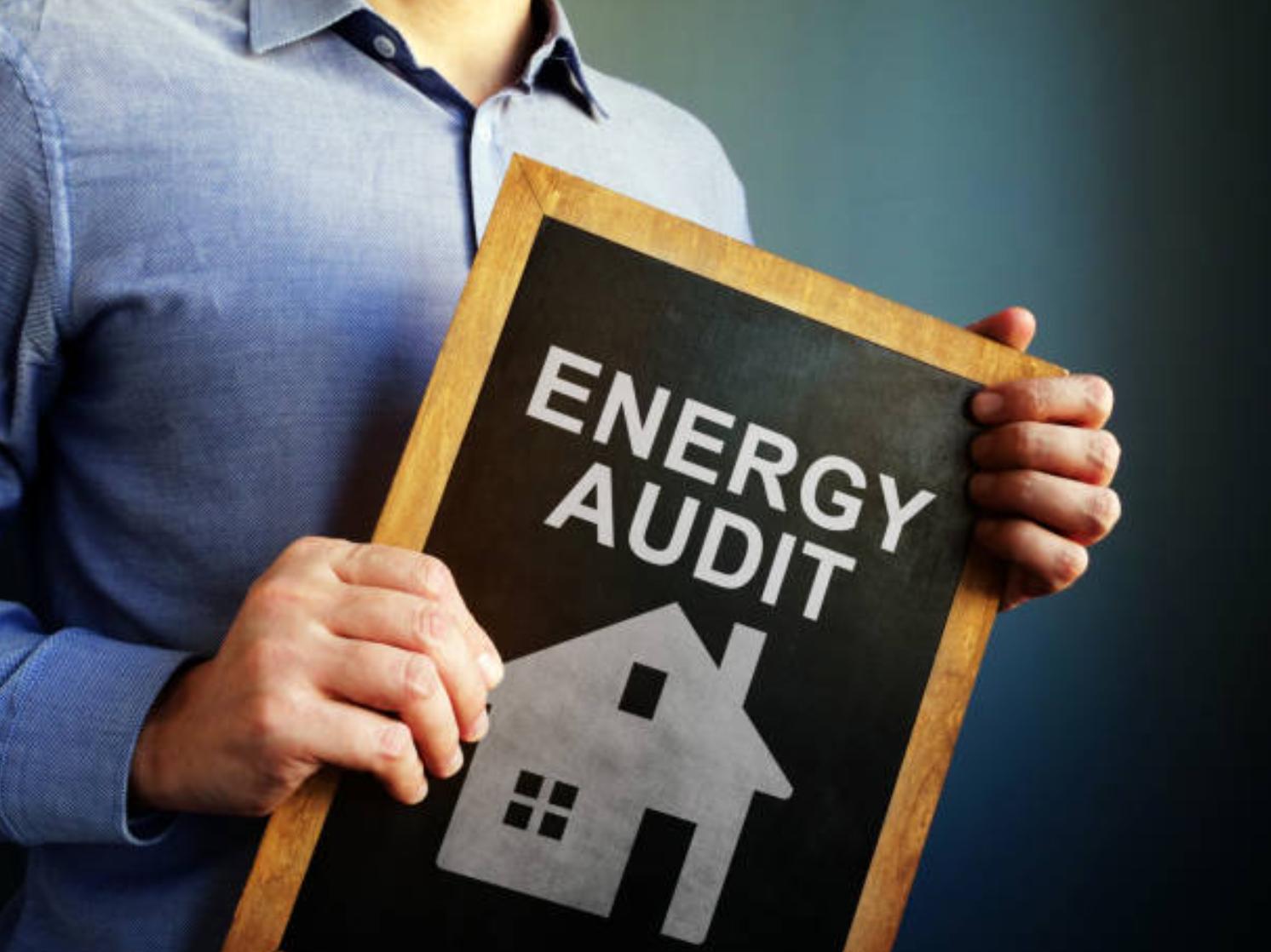
An energy audit is like a health checkup but for your home, building, or facility’s energy use. It identifies where electricity is being wasted and suggests ways to improve efficiency. Whether you’re a homeowner or a business, an energy audit can lead to noticeable savings and smarter energy habits.
1. What Happens During an Energy Audit?
A professional auditor inspects your appliances, lighting, insulation, and energy systems. Using tools and data, they measure how much energy is being used and where it’s being lost. The result is a detailed report highlighting key areas to fix or upgrade.
2. Types of Energy Audits
There are basic walkthrough audits, which provide quick feedback, and more detailed ones with full energy modeling. Businesses often choose comprehensive audits to meet environmental goals. Each type varies in cost and depth, depending on the size and complexity of the space.
3. Benefits Beyond Lower Bills
Besides reducing electricity costs, an audit can make a space more comfortable by fixing air leaks or improving temperature control. It also extends the life of appliances and systems by ensuring they run more efficiently. Over time, this lowers maintenance costs too.
4. Common Recommendations from Audits
Audits often suggest replacing outdated lighting, sealing windows and doors, upgrading insulation, or installing energy-efficient appliances. Some may recommend smart meters or automation systems to better manage usage. Many fixes are simple yet make a big impact.
5. Is It Worth It?
For most homeowners and businesses, the answer is yes. The cost of an energy audit is usually recouped through savings within a year or two. Plus, governments and utility companies often offer rebates or incentives for making energy-efficient changes.
Conclusion
An energy audit helps you understand how your energy is being used and wasted so you can take action. It’s a smart move for anyone looking to cut costs, reduce their carbon footprint, and make their space more efficient and sustainable.


No comment